

Crime Pays for the Politicians
This morning, Paul Goldsmith, the Minister who wants Te Reo Maori scrubbed, announced that prisoners who are serving terms of less than 3 years be barred from voting.
That goes against High Court rulings and Electoral Review recommendations.

NZ’s Electoral Review head had strongly advised the government to allow all prisoners to vote.
Goldsmith not only rejected that advice, he overturned Labour’s concession to prisoners of 3 years or less.
…I’ve been reflecting lately on crime.1
It’s a real vote winner and all right wing governments know it
It appears many people think it’s all about punishment.
It was an attribute I saw in Americans over many years - especially from Fox News viewers and right wing voters.
It seemed imperative to them that they kill, hurt and incarcerate those that broke the law.
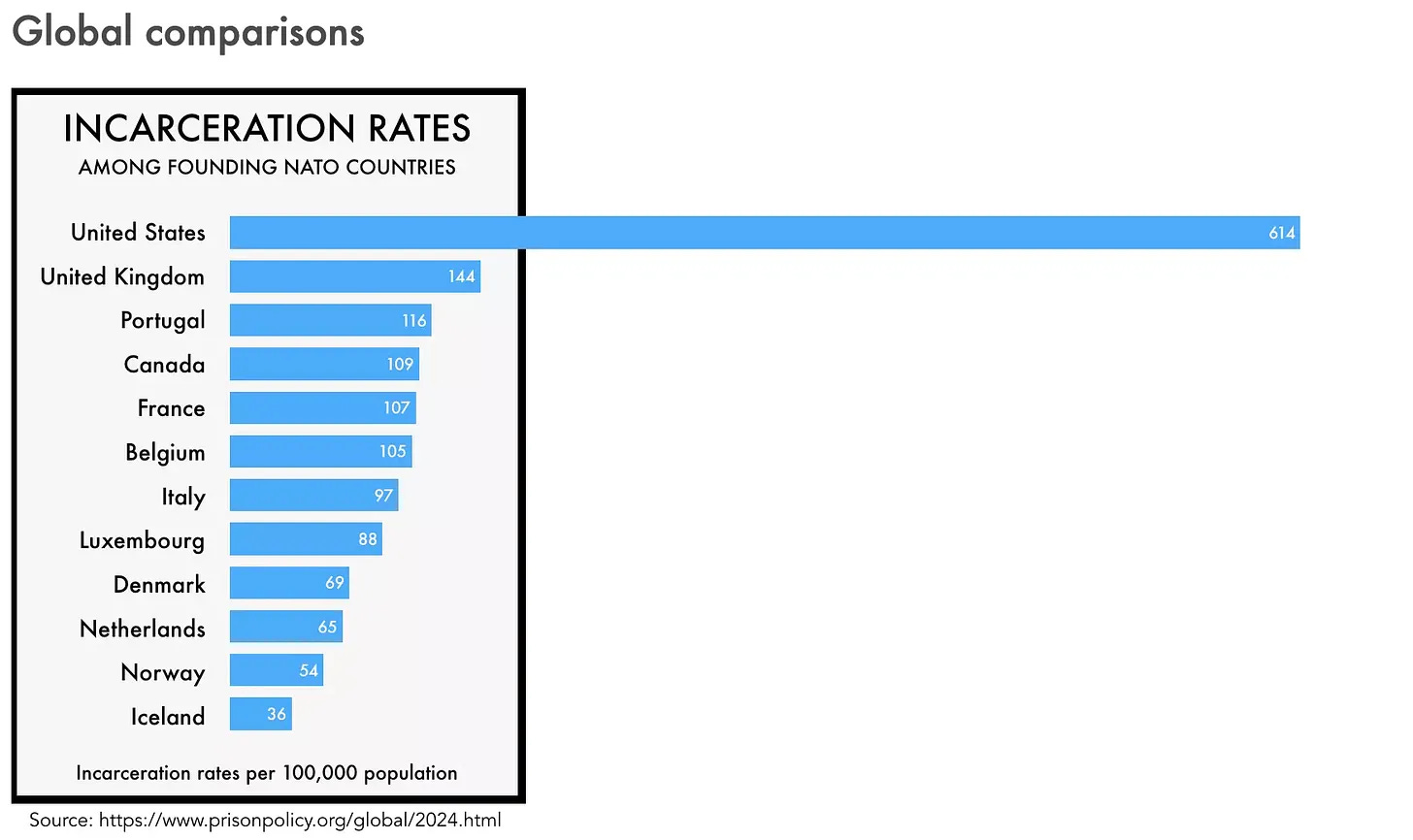
And the US’s incarceration rates are, indeed, through the roof - 614 per 100,000 people!
NZ is at 173, higher than Australia, UK and Canada.
But US crimes continue unabated - frequently with high levels of violence.
Imagine how happy such voters must be now that the strong man is in charge.
Their saviour and hero, DJT, is ramping up the police and authoritarian state in the USA, signing an executive order again - this time to embolden law enforcement across the country and shield them from accountability. He’s offered all police free legal services and instructed local counties to “unleash” police across the state.
Will that be better?
I doubt it.
Unaccountable police officers with guns is a scary potential - including for good police.
Anyway, it always seemed very important to such mindsets that offenders are deeply punished.
To me, Goldsmith’s announcement sounds like another step of dehumanising people who have set foot in the wrong path.
It’s about denying them their basic rights, and furthermore, alienating them further in self empowerment and connections to society.
That can’t be good.
Cost wise, it’s about $150,000 per year to house a prisoner - a cost that keeps increasing, but it’s NZ’s experience that I think is most important to bear in mind.
In 2011, Bill English called NZ’s high incarceration rates and approach “a moral and fiscal failure” - he admitted that to continue persecution and punishment, especially of minor matters, would only exacerbate and prolong criminal problems and at an exorbitant financial cost.
But we’ve learned little.
Reflecting on Kyle Whorrall’s crime the other day, and the calls for severe punishment, I couldn’t forget that it was John Key’s Chief Science Advisor, Sir Peter Gluckman, who confirmed that some of the strongest determinants of youth crime are poverty, integenerational trauma, and that having family members in the prison system increases their chances of criminal offending.
These points are all very real but take longer to tackle and resolve - even generations.
If the screw took three turns to go in, it will take a few turns to get extracted.
You just can’t expect instant gratification on these matters if we’re serious about a safer space for everyone.
It also often requires a solid wall of preventative resources in unison - police, customs, justice, social services, mental health, health, education, community resources.
i.e. It’s an interconnected, two pronged strategy - one for the short term, another for the longer view, and recognising prevention is much better than cure.
BTW.
Don’t get me wrong - I’m not against incarceration and punishment. I think that there is a role to play in deterrence and consequence, and know the judgement will always be circumstantial.
But I also know punishment alone is not enough to protect society, and further brutalising those who have found it within themselves to be brutal is not the answer.
There are different ways to approach things of course, but it’s really hard to turn things around without extensive education and awareness in our society.
In the Nordic countries, for example, the criminal justice system seeks to rehabilitate as well as punish.
It has many social services to intervene prior to corrections and the social service supports also mean it’s far less likely for the country to need to imprison.
These countries also have very different attitudes around sending children to prison — they very rarely do it.
"Sending a young person to detention is the absolute, complete last resort … It [only] happens in extreme circumstances".
Dignity within corrections
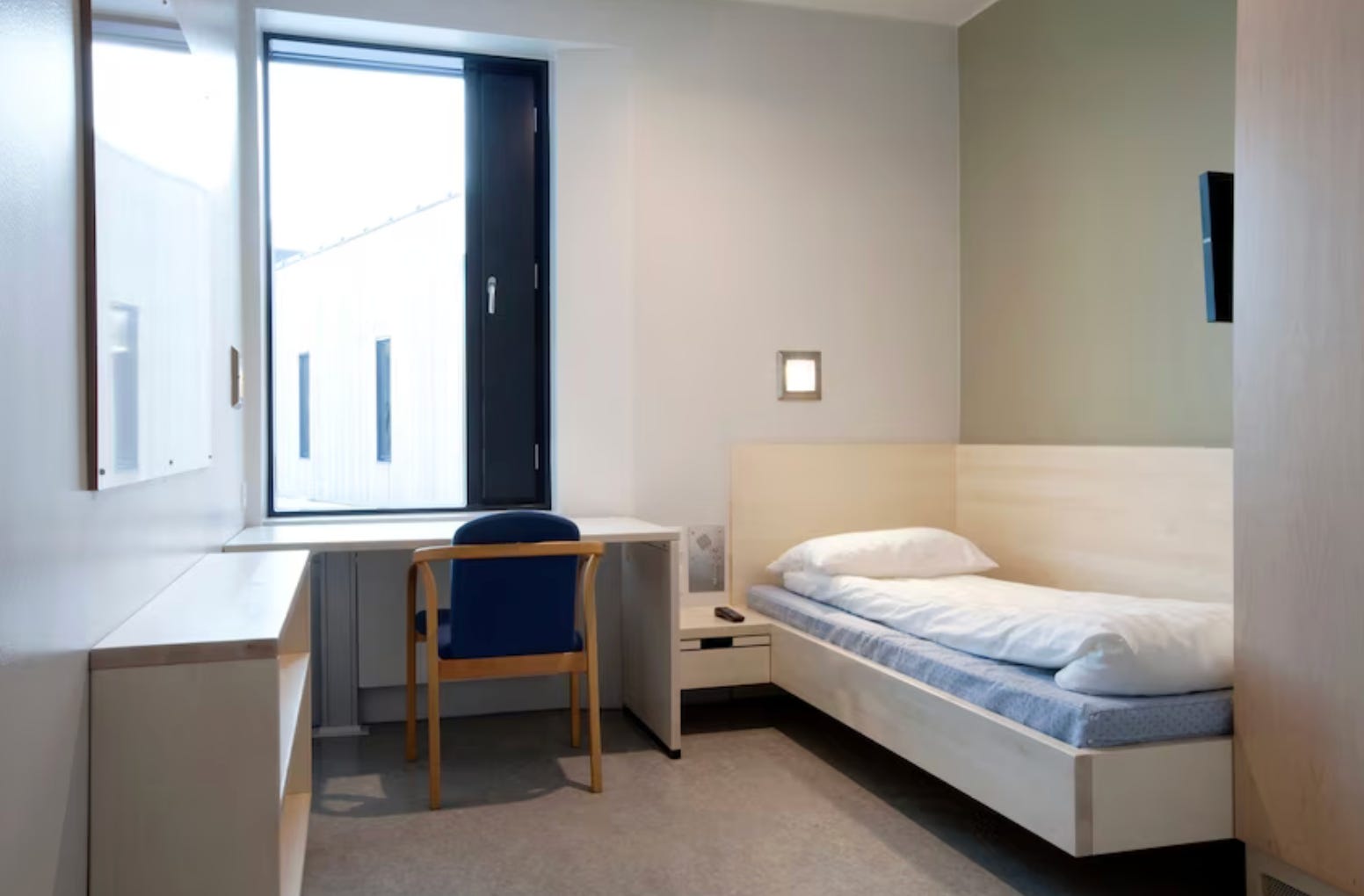
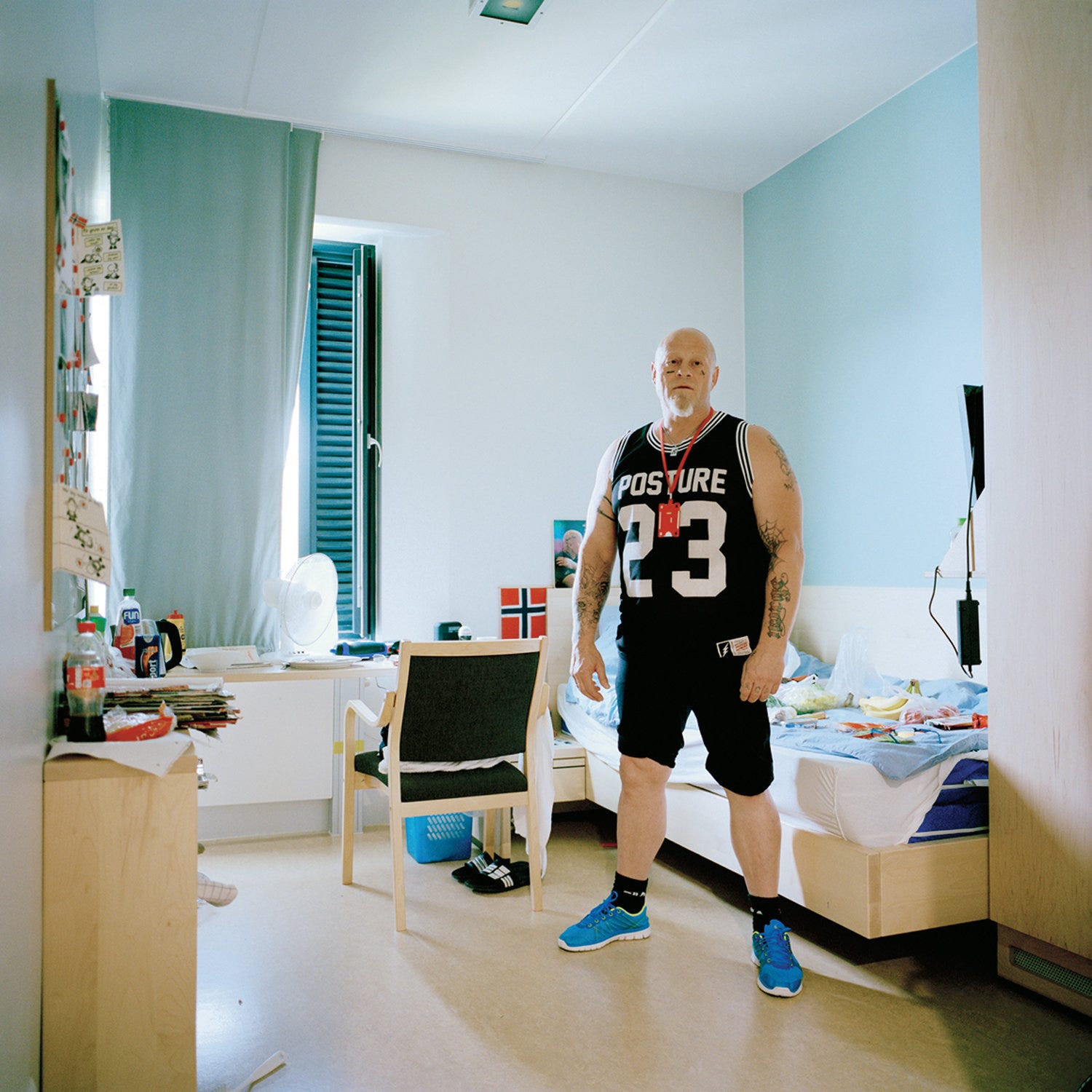
I was reflecting on this because a punitive only policy is bound to fail - yet it’s what so many of us demand.
And the right wing governments around the world invariably move to strongmanship, authoritarian power, and dehumanising those who have fallen by the wayside.
Hint: Look at the USA where Trump just deported US citizen children - one with Stage 4 cancer, without even bothering to check or care about what will happen to them.
But it’s not great here either.
In New Zealand, the National Government won in arbitration over police last year, ignored morale warnings, have sided with gun lobbyists over police, ignored police warnings about citizens arrest, brushed off experienced police attrition, took away police water coolers as part of their austerity budget (then funded hundreds of millions to tobacco companies instead), and presented police with a $120mn “fiscal cliff” of budget cuts while asking them to take on more responsibility…
Is it any wonder we’re losing experienced police hand over fist & police are passing candidates who are failing entry criteria?
Not to mention National cutting customs frontline and support staff, removing staff who hunt child sex crimes and drugs operations.
We hardly hear about any of this - once the right wing media pundits on Newstalk ZB fall silent, most Kiwis become blissfully unaware of current affairs, and cause and effects.
We also just do not see the same coverage of the opposition, as when Labour/Greens were in power, do we?
What I’m trying to say is our government is saying they are tough on crime - but are taking away the money and resources in these areas.
Labour propped up the ranks of police by 1800 police officers after John Key saw police numbers crumble.
National are stripping them back and can’t even make + 500, yet National are the ones who keep the image of “tough on law and order” - when that tough merely pertains to posturing and punishment - but not the real causes and preventative factors.
What gives?
PR, perception, headline management of course.
Where this National government and its affiliates are mostly focused on.
Related Reading:

The other major factor of crime is of course mental health.
In Canada this week, an unspeakable tragedy occurred when a man drove a black SUV through a crowd of hundreds, who had been celebrating a Philippine festival.
11 died, including 2 parents and a child of one family, leaving only a sole boy…it’s gut wrenching.
The man charged with murder had a known history of mental health issues.
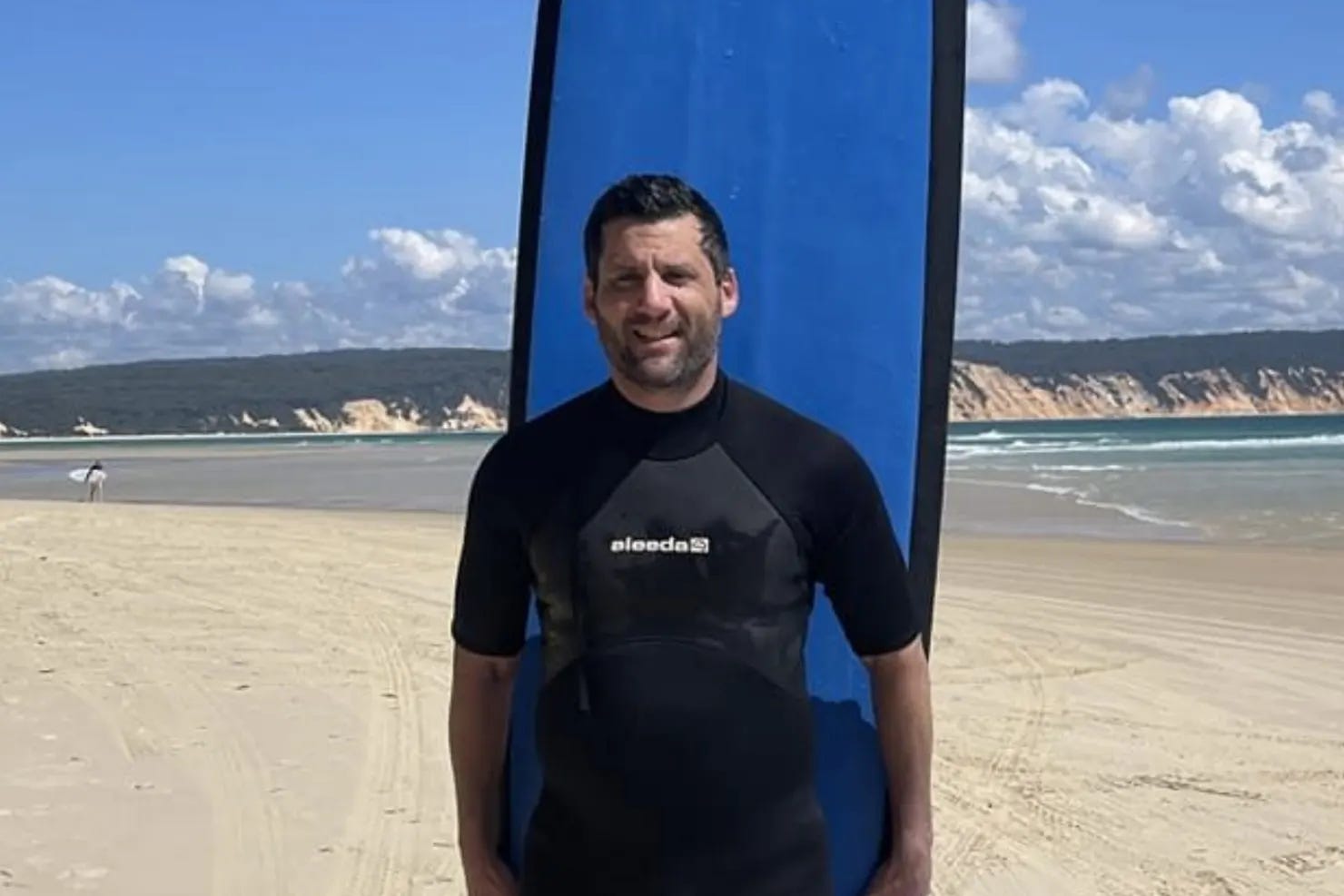
It’s the same with the Australian man who murdered 6 people in a busy Bondi Westfield shopping centre - 40 year old Cauchi had mental health issues over many years. He too was known to police in some way.
And yet this government has overseen some of the starkest cuts to mental health, including pulling police away from call-outs while in the same breath ignoring warnings could cause death, because the back up resources just aren’t there.
Even long standing community groups such as North Shore Womens’ Centre is closing under the government’s cuts
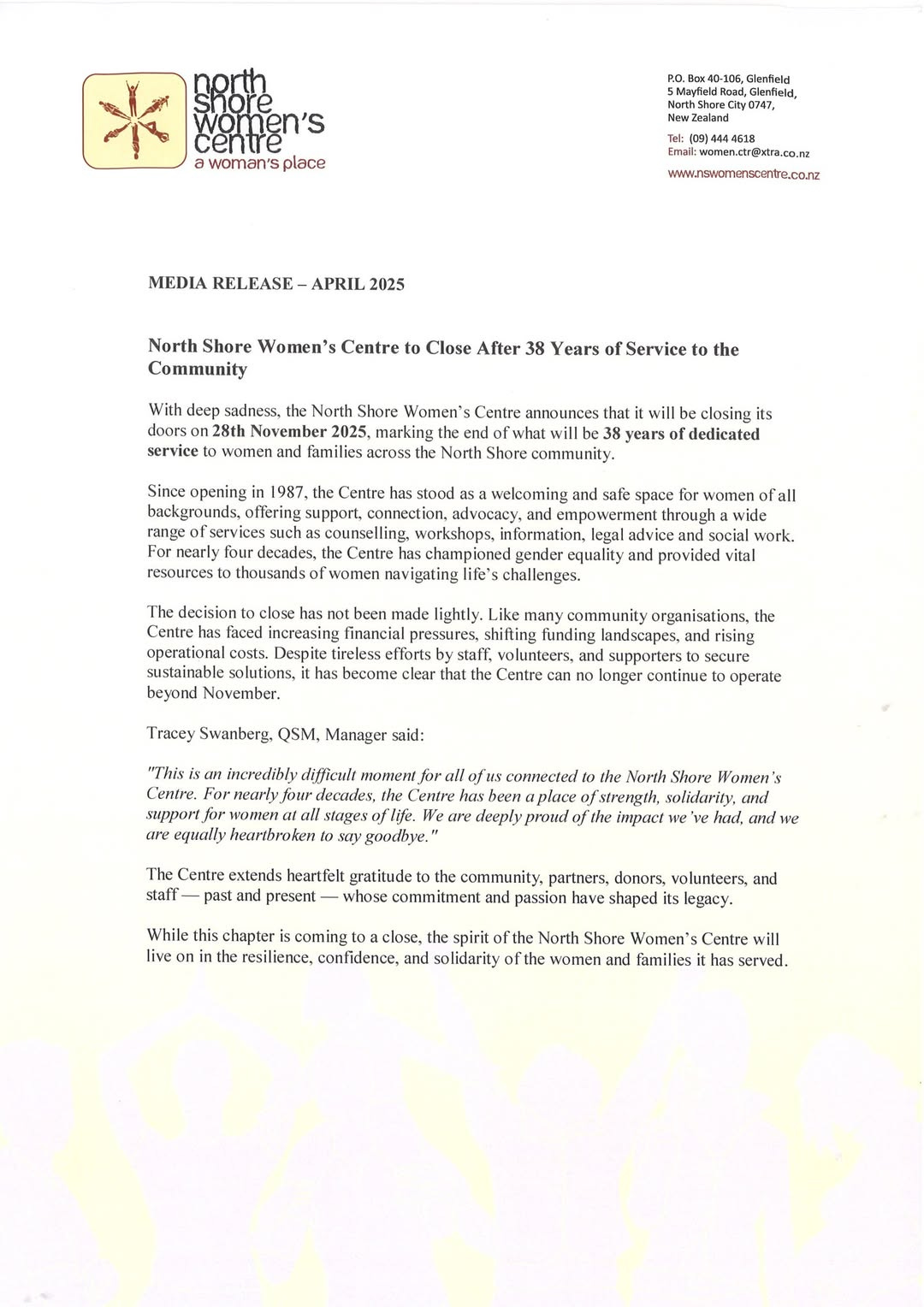
:
Mental health vacancies and services, already at crisis point, are being pummelled further under the right wing Coalition government. Top mental health leaders are resigning after a year and a half of being stonewalled, and mental health vacancies ignored.
Why?
Because to them, it’s only about perception management - being seen to punish people is far more important than preventing, and managing the causes, in the first place.
The former is easy - just ask that buffoon in the White House. The latter is nuanced, complex, timely but does work….2
But tell that to an unaware electorate.
Information is key.
Share yours with those you care about.
Here we mainly speak about physical and blue collar crime. White collar crime remains largely unpunished.
We’ve seen the impacts of laws like Section 7AA of the Oranga Tamariki Act definitively contribute to better tamariki outcomes over time. Testimony from figures such as Tracy Martin, Starship and NZ’s leading childcare experts confirmed this clearly. However, NACT1 repealed it last year.
This latest move make me angry. Not because I think we should be "soft on crime" but because the removal of rights will make things worse not better. In New Zealand, most people will eventually be released from prison and we should be focused on ensuring they come out better than they went in.
I had always thought that treating prisoners as sub-humans, who have no rights, seems unlikely to help them turn their lives around. I expected mental health support, education and preparation for release would be helpful but this help is rarely available.
Clearly I don't have the skills of the Coalition of Cruelty, who know their approach is better. "Treat them like shit and that will stop them re-offending when they get out".
I stupidly thought imprisonment WAS the punishment. And rehabilitation was the goal. Obviously I was mistaken.