

Did you know?
95% oppose the government’s anti-democratic, anti-environment Fast-Track bill
90% opposed the Treaty Principles Bill earlier in the year, and,
Almost 100% of submitters opposed the Regulatory Standards Bill (RSB)
Despite this, the Coalition Government, led by the hapless Christopher Luxon, persists in passing legislation that undermines the democratic processes and voices of New Zealand.
They passed the damaging RSB, intend to pass the Fast-Track bill by year-end when most are focused elsewhere, and continue to undermine and remove aspects of Te Tiriti o Waitangi in laws and … wherever they can - against all official advice and warnings.
Does this type of undemocratic manouvering sound familiar to you? Because we do see it in other countries today.
Susan St John wrote a post recently highlighting National’s likely intentions around our world class retirement system too. In short, she voices concerns that National’s true intentions are to “gut NZ Super” and essentially remove it for most of us.
In the piece, St John says that some might view her opinions as “alarmist,” but the real question is why any sane person would consider her analysis to be such.
It’s not. Not under this government.
I wrote about the government’s likely steps towards health privatisation well before this government signalled it.
It came to fruition - that includes funding corporate outfits more than community GPs and diverting much needed resources from public health to private.
Mountain Tūī also warned about the government’s steps towards privatising a range of services - whether it is water infrastructure, schools, hospitals, or roads - well before the main headlines acknowledged it.
And yet now it is clearer than ever with Luxon making louder the National Party’s sentiments that privatising NZ’s assets is apparently a “mature” conversation and will form a core part of National’s second term, should they be re-elected.

In other words, there is nothing alarmist about deciphering the National/ACT/NZ First Coalition government plans and strategies.
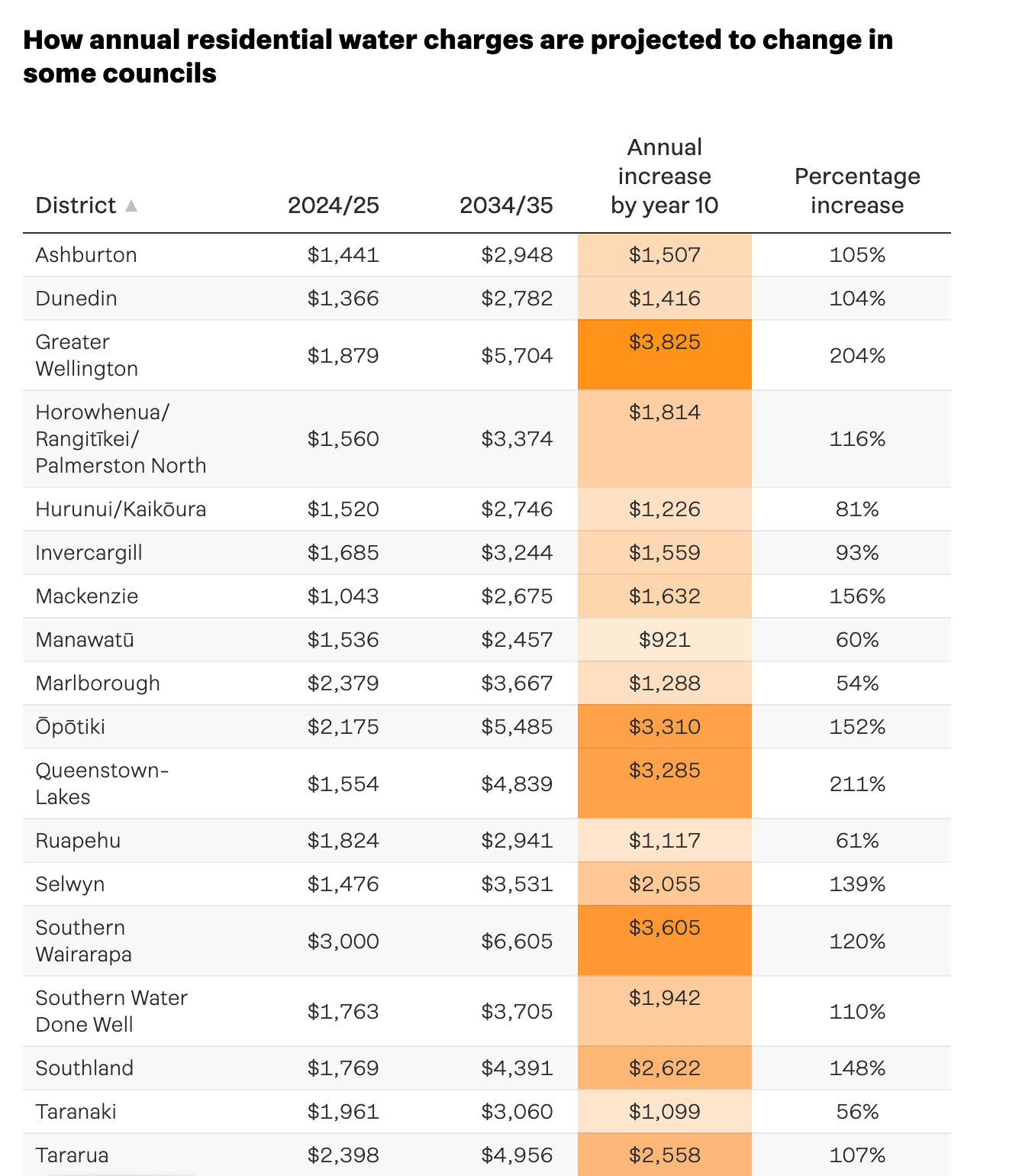
The local council rates cap, as another example, led by Taxpayers Union friend and Takapuna Auckland MP Simon Watts, will limit councils to 2-4% rate rises annually.
This is despite National knowing the the water infrastructure deficit is already estimated at $180b + (about 40% of our entire annual GDP)
And ignores that many Councils are already on record as facing potential bankruptcy and “ungodly” blow outs in rates thanks to the 3 Waters repeal. (Rates are the primary revenue tool in local government.)
What about how National’s obsession with roads and development inevitably leads to higher road maintenance costs and infrastructure requirements - which are then laid onto councils?
National won’t let reality get in the way of their agenda. Their proposal involves starting to “monitor” rates from 2027 and implement it by 2029.
In other words, National (with their allies) can use the opportunity to:
Electioneer as the low cost party and put pressure on councils to sell assets to fund operations and capex (capital expenditure) and defer spend/maintenance/support. And increase fees elsewhere e.g. increase parking, reduce rubbish collections etc.
Control local governments through public pressure, and continue to break down the separation of powers in our democratic governance models
Overall, there is no doubt that this government is uninterested in democracy.
There is no doubt they have most people where they want them - busy, fearful, and/or bought into their PR game.
Still, the Kiwi spirit is strong and robust.
The local government elections would have given National’s strategists some confidence that when push comes to shove, enough will vote with their impressions and their wallets.
Siding with ratepayers is a smart electoral choice.
According to reports by Andrea Vance, National have chosen to keep Christopher Luxon, with likely contenders Stanford and Bishop unwilling and unable to mount the challenge.
(This is the first prediction here that has fallen flat as I predicted a roll of Luxon by year end)
Matthew Hooton, a strong critic of Luxon, has become more placid now - writing recently that Luxon has promised to change his “personal communication style” to appease Cabinet colleagues, and in the same article, defended Luxon and Willis as victims of an MMP system. (how quickly things change)
As I wrote a few months back, Stanford ascended under a clearly co-ordinated strategy to test her out as the new leader, but as quickly as she did, she has been unmasked as an anti-Māori, pro-colonisation figure with authoritative tendencies and an all too familiar trait of belittling and ignoring professionals who speak up.
She made the right call to bide her time given what she represents.
One of my first articles on Substack was “New Zealand deserves better than marketing” - in response to how I saw the Luxon government operating.
It will be up to the people - and our ability to connect within communities and among other like minded individuals - as to whether that will become manifest or not.
One year and under from the next election, it’s still anyone’s game — so let’s get to it.
PS
Congratulations also to new Labour MP candidates Craig Renney and Dr Gary Payinda.
PPS
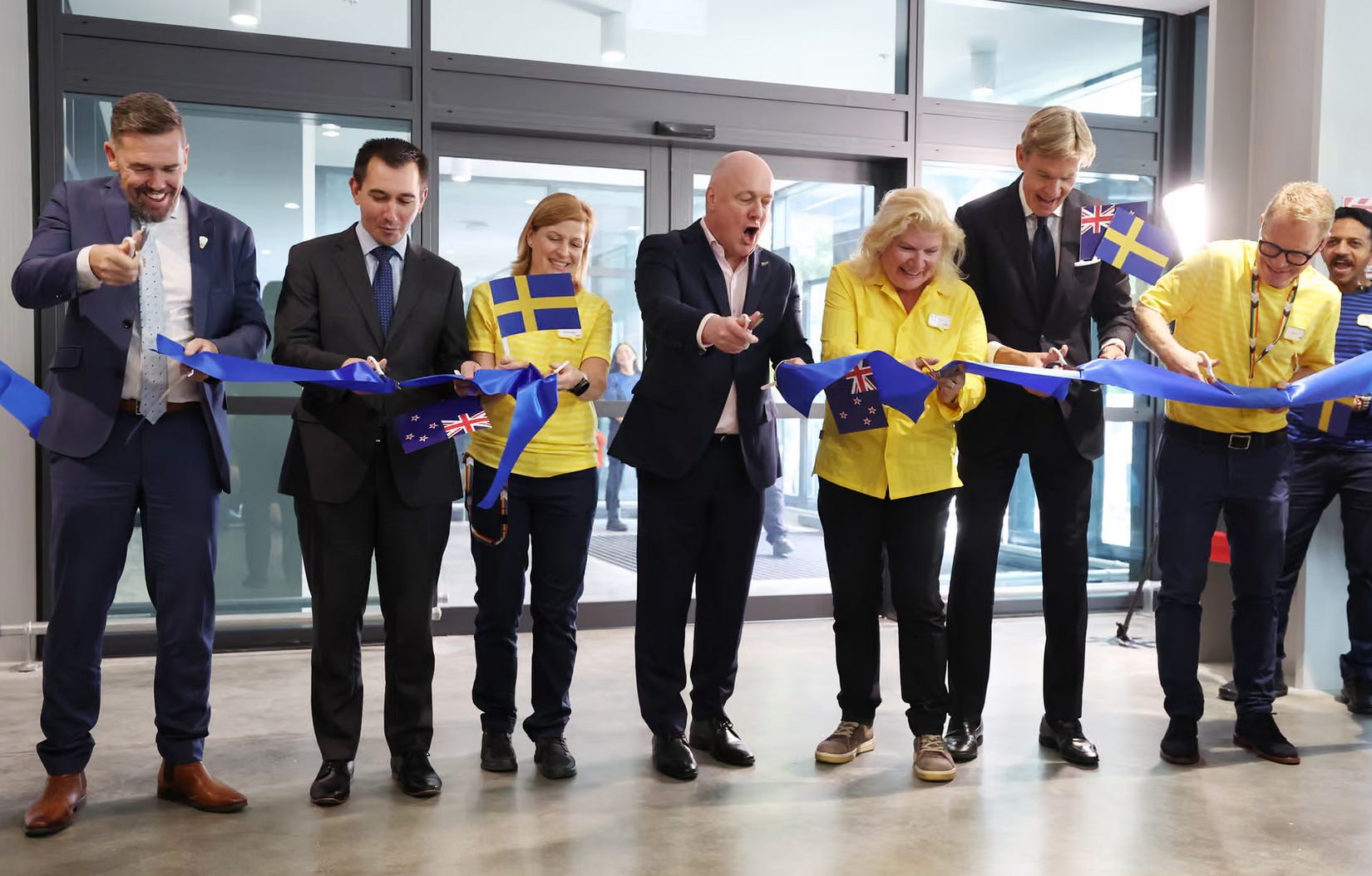
Anyone else think it was a little pathetic to see Luxon and Simeon Brown clamouring over an Ikea store opening yesterday? International headlines didn’t miss a beat, saying “Ikea finally arrives in New Zealand. Even the country’s leader came out to celebrate”
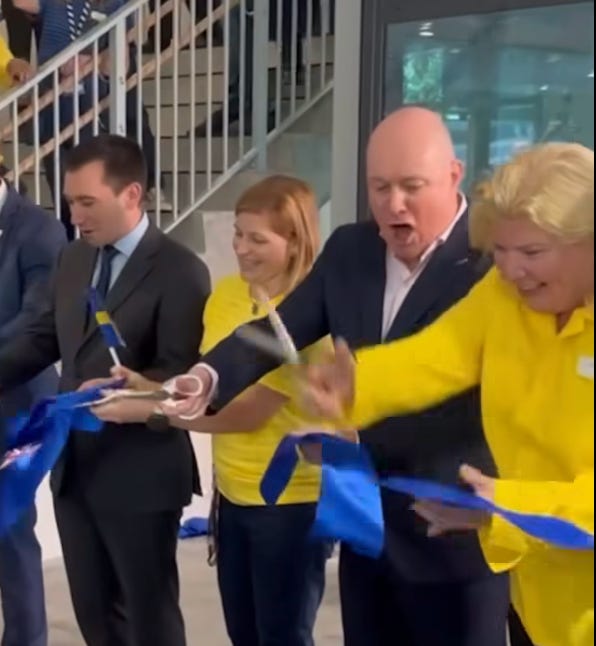
Too busy for Waitangi. Too important to meet abuse in care victims after the ceremony, but will turn up to a multinational store opening at the drop of a hat, with Simeon Brown helping to flog off cinnamon rolls. In many ways, it perfectly encapsulates the modern National Party and their “Taliban” faction.
I have no qualms with IKEA but it would be challenging to find another world leader outside of perhaps Sweden who would cut ribbon for one of its store openings.
The Environment Committee reached new heights in the practice of democracy (not) with the Fast-track Amendment Bill.
Three quotes from their report on the bill gives the flavour:
"The Fast-track Approvals Amendment Bill was referred to this committee on 6 November 2025."
"The House instructed us to report the bill back no later than 6 May 2026"
"The Chairperson ... signalled her intention to seek the committee’s support to report the bill back to the House of Representatives no later than 5 December 2025."
"On 10 November 2025, we voted by majority to endorse the call for submissions and closing date set by the Chairperson, and to support a timeline to report the bill back by 5 December."
"We also decided that, given the indicative timeline for our consideration of this bill, we would not seek to consider or recommend any amendments at the select committee stage."
I recently listened to How Fascism Works by Jason Stanley and found myself nodding so hard I could’ve been mistaken for a Wackeldackel. What really unsettled me is how many of the political strategies he describes now feel increasingly normalised here. Not fascism as a regime - but the strategies: distorting debate, delegitimising critics, manufacturing crises, creating moral panics, reframing legitimate questions as attacks, and slowly eroding the shared reality that democracy depends on. It feels a bit like we’re being cooked like frogs. The temperature keeps rising, the rhetoric keeps shifting, and we seem oddly unaware of how quickly democratic norms can fray when this style of politics becomes routine. It’s a dangerous game they’re playing for the quality of our public life and the health of our democracy.