

25 July: This article has been updated to reflect the possibility that 110,000 election day registrations are included in the voting period registration.
The electoral outcome and impact does not change:
i.e 2 less National seats, + 1 Greens, +1 TPM, & Nat/ACT unable to govern alone.
A few hours ago, it was shared with me1 that Paul Goldsmith’s voting electoral reform affects ~560,000 voters2
Here are the details3:
Election day registration: 110,000
Voting period registration: 450,000
Total special votes: 600,000
This means:
Over 75% of all special votes are those that enrol in the days leading up to election and/or on election day
National’s voter suppression tactic would affect ~15% to ~20% of all voters from the 2023 election.
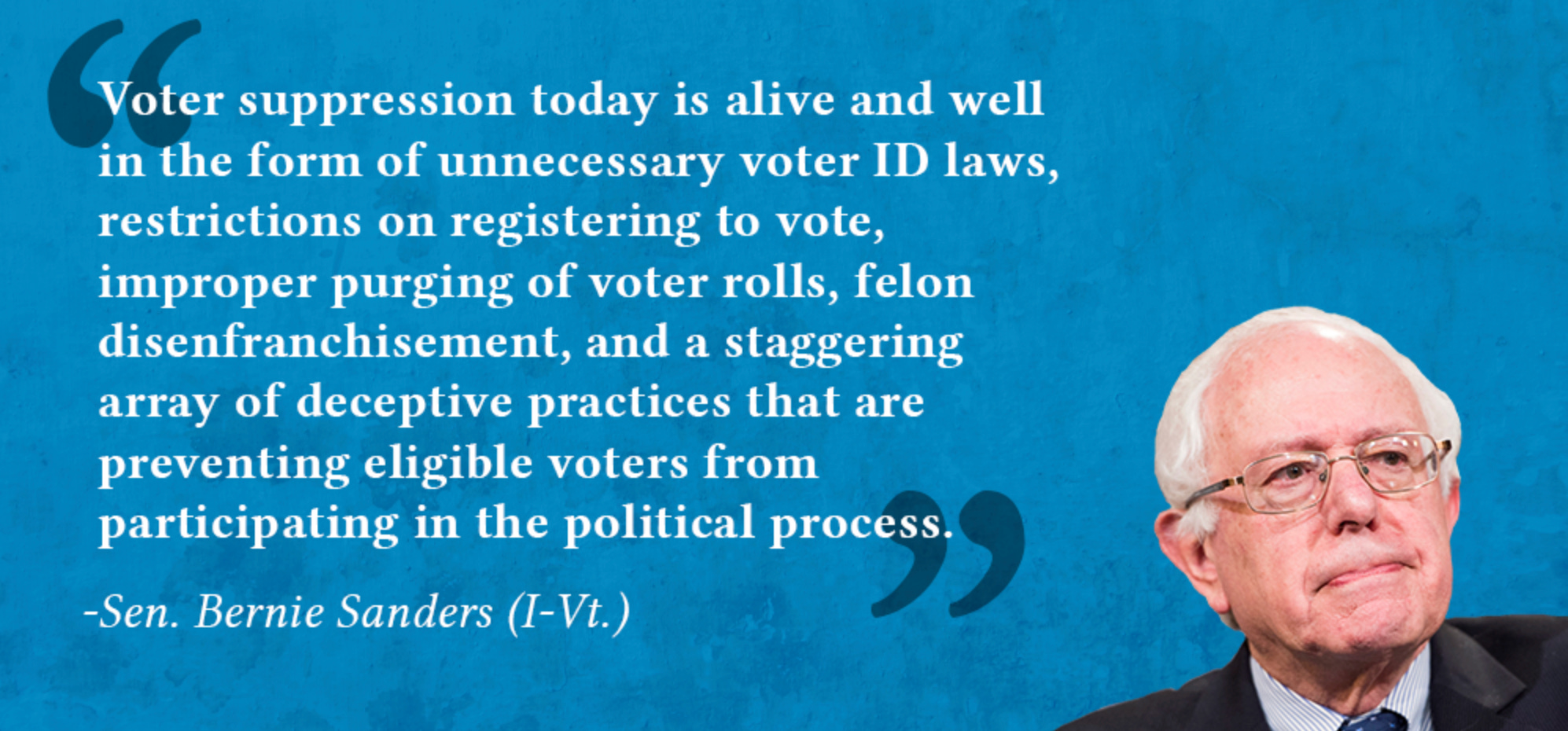
i.e. It’s significant voter interference and as I mentioned this morning, Goldsmith’s tactic is the textbook definition of voter suppression.
Remember Goldsmith also defied strong independent Electoral Review recommendations, and implemented prisoner voting bans.4
Andrew Riddell also points out something significant:
The Goldsmith proposed amendment is that no person can register to vote less than 13 days before the polling day
What this government is proposing to more draconian than anything we have had since at least 2002, when our laws changed to support democratic voting
That’s dialing us back to over 23 years ago i.e. almost a quarter of a century.
How’s that for regression?
The tactics are significant, because like so much of what this right wing Coalition do, they are importing American dirty politics into our culture and constitution.
It also jaw droppingly changes the political scales -
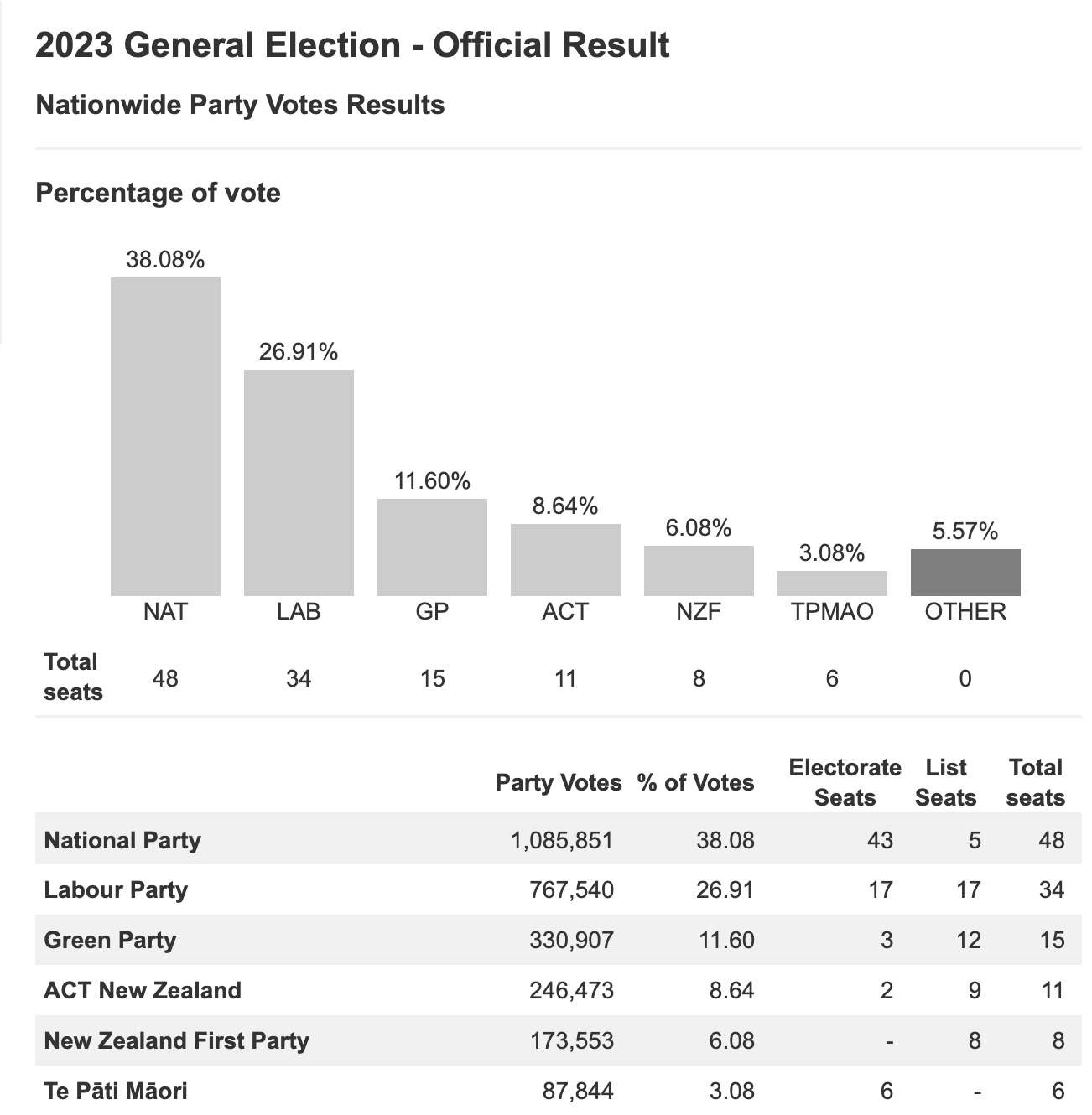
Those early voting numbers exceed ALL of ACT and NZ First’s votes by 107% upwards.
In 2023, all special votes5, including enrolments 13 days6 and up to election day, gave Te Pāti Māori two more electorates, the Greens an extra list seat, while National lost two MPs.
i.e. The democratic result spoke for itself.
No wonder they don’t like it.
No matter how they package this, it’s obvious what the true intent is here.
And it should be resisted with force.
Incidentally, the official count in 2023, was completed in 20 days, which is within the statutory timeframe and there are always measures such as mandatory voting rules to explore. According to Geoff’s preliminary review, the efficiency recommendations included digitisation, more flexibility, and not what has been proposed.
Courtesy: binkenstein
Based on 2023 election numbers
Page 3 of the Report on the 2023 General Election, second paragraph in the English column: https://elections.nz/assets/2023-General-Election/Report-on-the-2023-General-Election.pdf
~10,000 Kiwis are in this category per I'm a little teapot
This can also include people who are outside their electorate on voting day etc.
This affects people who have moved, need forms corrected, transient, young people, Maori, Asian, Pacifika etc.
This comment by Seymour is (particularly) concerning. It seems to be stating a direct intention to reduce the votes of those who vote for taxation - i.e. the centre left block.
“Frankly, I’m a bit sick of dropkicks that can’t get themselves organised to follow the law … then going along and voting to tax away hard-working people’s money,” Seymour told reporters.
– He’s accusing people (presumably lazy people) of participating in the democratic process (voting) in ways that lead to higher taxes on others — specifically targeting those he considers “hard-working”.
– The implication is that people who don’t follow the law or contribute economically shouldn’t be influencing policies that redistribute wealth.
It's a very concerning path to be so openly expressed for our democracy.
This is disgusting behaviour from our (only just) elected representatives. I'd like to see changes made to disallow big money and dishonest social media from influence in politics, and a way could be to emulate the Welsh parliament:
"...Despite the Senedd’s Code of Conduct setting out the rules on Members behaviour; specifically that ‘Members must act truthfully' the Senedd’s Standards Committee recently reprted that this rule should be strengthened further to explicitly prohibit Members from making deliberately misleading statements."
‘What politicians say, how they say it and the impact it has matters’: proposals to tackle deliberate deception by politicians https://share.google/YYATNTFweOV4iwkD5